

ADAS Windshield Calibration Essentials for Confident Driving — Menomonee Falls, WI
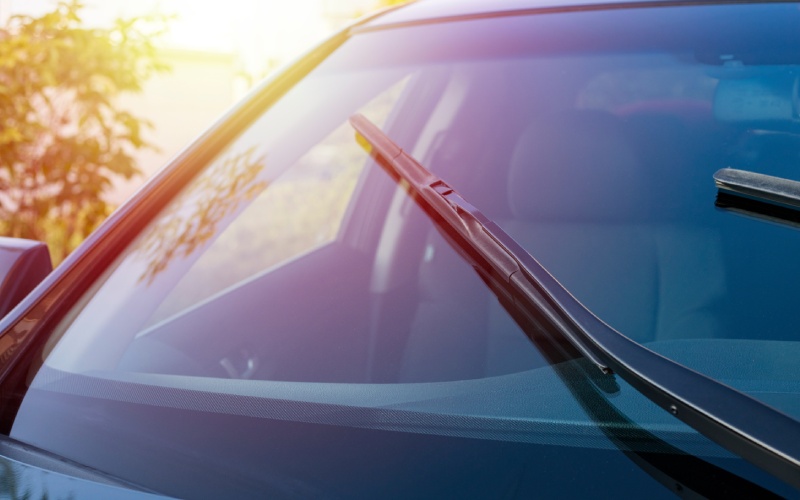
Russ Darrow Collision Center of Milwaukee – ADAS Windshield Calibration Essentials for Confident Driving — Menomonee Falls, WI
Modern windshields do more than stop wind and rain. For many vehicles on Appleton Avenue, Pilgrim Road, and the US-41/45 corridor, the glass also houses forward-facing cameras and sensors for ADAS features. If your windshield has been replaced after a collision or road debris strike, calibration is not optional — it is what restores accurate lane-keep assistance, adaptive cruise control, and automatic emergency braking. This guide explains how calibrations work, when they are required, and how to plan your repair so you leave with confidence in both visibility and safety tech.
Calibration procedures fall into two groups. Static calibration uses precisely measured targets on a level floor under controlled lighting. Dynamic calibration requires a test drive at prescribed speeds while the scan tool confirms alignment. Some vehicles need both. Techs begin with a pre-scan to see what the system already knows, confirm tire pressures and ride height, and verify that the vehicle is not carrying unusual loads. After calibration, a post-scan documents that the system has relearned its environment and is not flagging new issues. That documentation is your proof that the camera is aimed correctly and the software recognizes objects within manufacturer tolerances.
Why is this level of precision necessary? A camera that is a few millimeters off target can misidentify lane markings or estimate following distance poorly. On a divided highway around Menomonee Falls where speeds change quickly and merges are tight, that small error turns into a big risk. Calibration ensures the camera sees exactly what the software expects. Technicians also evaluate related mechanical items, such as the condition of the windshield mounting flange and the correct position of brackets and shrouds. Even a slightly different glass thickness or a misaligned bracket can upset sensor geometry.
Planning ahead helps minimize downtime. Share your VIN so the team sources glass with the correct coatings, acoustic layers, and sensor brackets. Ask whether your model requires static, dynamic, or both calibration types. Request copies of the pre- and post-scans for your records — and your insurer’s — because those documents tie the finished work to OEM procedures. If your commute takes you along Main Street or through the County Line Road roundabouts, you will appreciate how a properly calibrated system smooths transitions and reduces steering corrections.
Here is a simple roadmap to make your windshield replacement and calibration go smoothly from start to finish:
- Start an online estimate with clear photos of the damage and your sensor area
- Provide the VIN so exact glass and brackets can be ordered in advance
- Discuss calibration type and anticipated in-shop time before scheduling
- Remove roof racks or aftermarket devices that could block targets
- Arrive with a normal fuel load and typical cargo to match ride height
- Leave with calibration printouts and your post-scan for peace of mind
What about common questions drivers ask during this process? We have collected a few below to save you time and help you feel prepared on the day of service.
Frequently Asked Questions:
Do all windshield replacements require ADAS calibration?
No, but most vehicles with a forward-facing camera, radar sensor, HUD, or rain/light sensors will require calibration or relearn steps after glass is changed.
Can mobile calibration work as well as in-shop calibration?
Some dynamic calibrations can be mobile, but static procedures need a controlled, level environment and precise targets — best completed in a calibrated shop space.
Will my insurance cover calibration?
Many policies cover necessary calibration as part of the windshield claim when it is required by the manufacturer. Share your claim information so the shop can coordinate approvals.
How long does calibration take?
Plan on one to several hours depending on your vehicle and whether static, dynamic, or both procedures are needed. Accurate setup saves time overall.
What happens if calibration is skipped?
Skipping calibration can lead to false alerts, poor lane tracking, or degraded braking assistance. It is a safety risk and may affect future claims or inspections.
When your windshield replacement also means returning safety tech to factory precision, the team you choose matters. Russ Darrow Collision Center of Milwaukee follows OEM procedures, documents each step, and verifies results so your ADAS features are ready for real-world driving. With two convenient collision locations and a streamlined claims process, you get a single plan from glass selection to scan printouts. If you drive throughout the northwest suburbs, you also benefit from local insight into traffic patterns that shape real calibration drive routes.
We are proud of how we support busy families and commuters, serving Oak Creek, Menomonee Falls, and Pewaukee with dependable guidance and professional care. Whether your windshield damage started with a chip that spread or arrived all at once after an unexpected impact, a clear pane is only part of the story — correct alignment of the technology behind the glass is the rest. Plan your visit with a quick online estimate, bring your claim number if you have one, and ask for calibration documentation at delivery. You will head home with quiet glass, accurate sensors, and added peace of mind.
0 comment(s) so far on ADAS Windshield Calibration Essentials for Confident Driving — Menomonee Falls, WI