

Dynamic vs. Static ADAS Calibration — A Practical Guide for Greenfield, WI Drivers
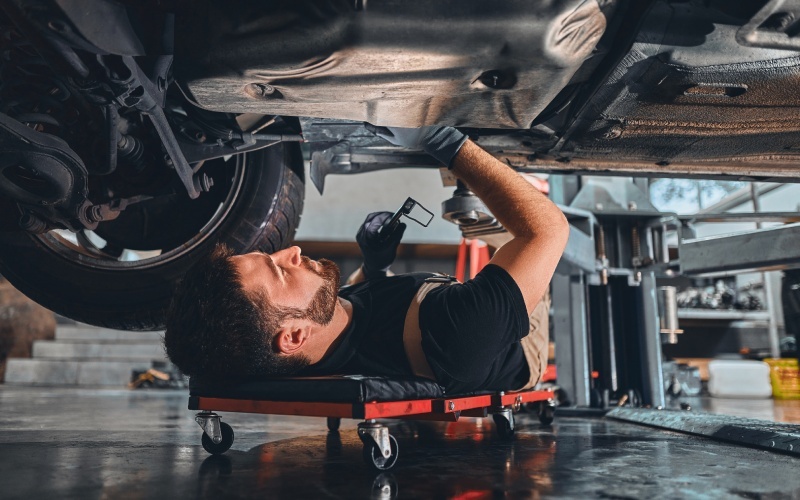
Russ Darrow Collision Center of Milwaukee – Dynamic vs. Static ADAS Calibration — A Practical Guide for Greenfield, WI Drivers
Advanced driver-assistance systems rely on a network of calibrated cameras, radar, ultrasonic sensors, and control modules that all must interpret the road in the same way. When a collision or even a minor repair alters sensor position or transparency, those interpretations drift. Calibration brings those signals back into alignment. Two core methods are used across today’s models: static and dynamic. While they aim for the same result, the preparation, tooling, and road conditions they require are very different, and understanding both helps drivers in and around Greenfield make informed decisions after a repair.
Static calibration is performed in a controlled shop environment using target boards, radar reflectors, lasers, and exact measurements for distance, height, and lighting. This method is common for forward-facing cameras after windshield replacement and for front radar modules after bumper work. It allows a technician to “teach” sensors fixed reference points without traffic, glare, or weather variables. Dynamic calibration, by contrast, happens on the road. The vehicle “learns” lane markings, traffic flow, and signage at specified speeds over a defined distance. Many models require a combination: static procedures set the baseline, and dynamic driving confirms sensor fusion and feature performance in real-world conditions.
Drivers in Greenfield routinely transition between residential streets, South 27th Street retail corridors, and I-894 ramps. That variety is helpful for dynamic calibration, but it also highlights why shop preparation matters. If static steps are rushed, dynamic learning can mask underlying measurement errors, leading to odd lane-keeping nudges or inconsistent distance warnings. We build calibration plans around your specific repair: a new windshield camera bracket calls for strictly controlled target placement; a repainted bumper with front radar may need verification of coating thickness to maintain radar transparency; and a suspension or alignment correction requires reconfirming camera pitch and yaw before any drive cycle.
What triggers recalibration most often? Think beyond major collisions. Common culprits include new or repainted bumper covers that sit a few millimeters differently, windshield glass with a slightly different optical index, mirror replacements that disturb blind-spot modules, and alignment changes that alter how a camera “views” the road. In each case, the vehicle may drive fine, yet the safety tech could behave unpredictably—warning late, steering gently off-center, or missing a familiar alert entirely. When you notice new behaviors after bodywork, request a calibration check rather than assuming it’s a quirk that will fade.
- Windshield service: Camera modules must be recalibrated after glass replacement, bracket repairs, or adhesive curing.
- Bumper or grille work: Radar and ultrasonics require re-aiming when covers, brackets, or paint layers change.
- Mirror or quarter-panel repairs: Blind-spot radar relocation or wiring disturbance demands verification.
- Alignment or suspension changes: Ride height and toe/camber adjustments alter camera angles and radar pitch.
- Module programming: Software updates can reset learned values and call for post-flash calibration.
Preparation is everything. For static procedures, the floor must be level; lighting must meet manufacturer specs; and targets must be placed with precise tolerances. For dynamic steps, we choose predictable routes with consistent lane markings, stable speeds, and minimal construction detours. Around Greenfield, we often look for segments that combine clear lane paint with steady flow, then use longer stretches to help modules complete learning within the recommended mileage.
- Confirm ride height and alignment are within spec before calibration.
- Mount sensors with the correct brackets and torque values.
- Verify bumper and grille materials allow proper radar transmission.
- Complete static procedures in a controlled, measured setup.
- Drive dynamic cycles on roads with reliable markings and steady speeds.
- Perform a post-scan to validate modules and clear residual DTCs.
- Document results for your records and insurance file.
Insurance often includes calibration when it is part of crash-related repairs, and thorough documentation helps the claim move smoothly. Equally important, quality control should extend beyond a green checkmark in a scan tool. A technician should test each feature—adaptive cruise following distance changes, lane departure warnings, blind-spot indicators, parking sonar tones—and confirm your dashboard shows no ADAS-related alerts. If something still feels off, communicate it clearly. Small cues from your daily route, like how a turn-assist warning behaves on a familiar corner, are valuable feedback.
What if your vehicle uses aftermarket parts? Some components can work well, but materials and tolerances matter. Bumper cover thickness or non-OEM glass optics can subtly change signal behavior. That does not automatically prevent success, but it does require extra verification and, in some cases, a return to OEM-quality components to reach factory-accurate performance. Safety technology depends on precision, and even tiny deviations can echo through the system.
Local drivers deserve a calibration approach that respects both the letter of the OEM procedure and the realities of Wisconsin roads. That is why careful sequencing—repair first, then calibration—and controlled environments are crucial. From there, measured on-road validation ties everything together. If you need help after a fender repair, windshield replacement, or alignment service, Russ Darrow Collision Center of Milwaukee provides a comprehensive process that blends shop precision with informed road testing. We are proud of our service to the greater area, serving Greenfield, Oak Creek, and Menomonee Falls with careful documentation and clear communication so your vehicle’s safety features feel natural and trustworthy again.
0 comment(s) so far on Dynamic vs. Static ADAS Calibration — A Practical Guide for Greenfield, WI Drivers